
How Facial Aging Really Happens: The Science Behind Modern Facial Rejuvenation
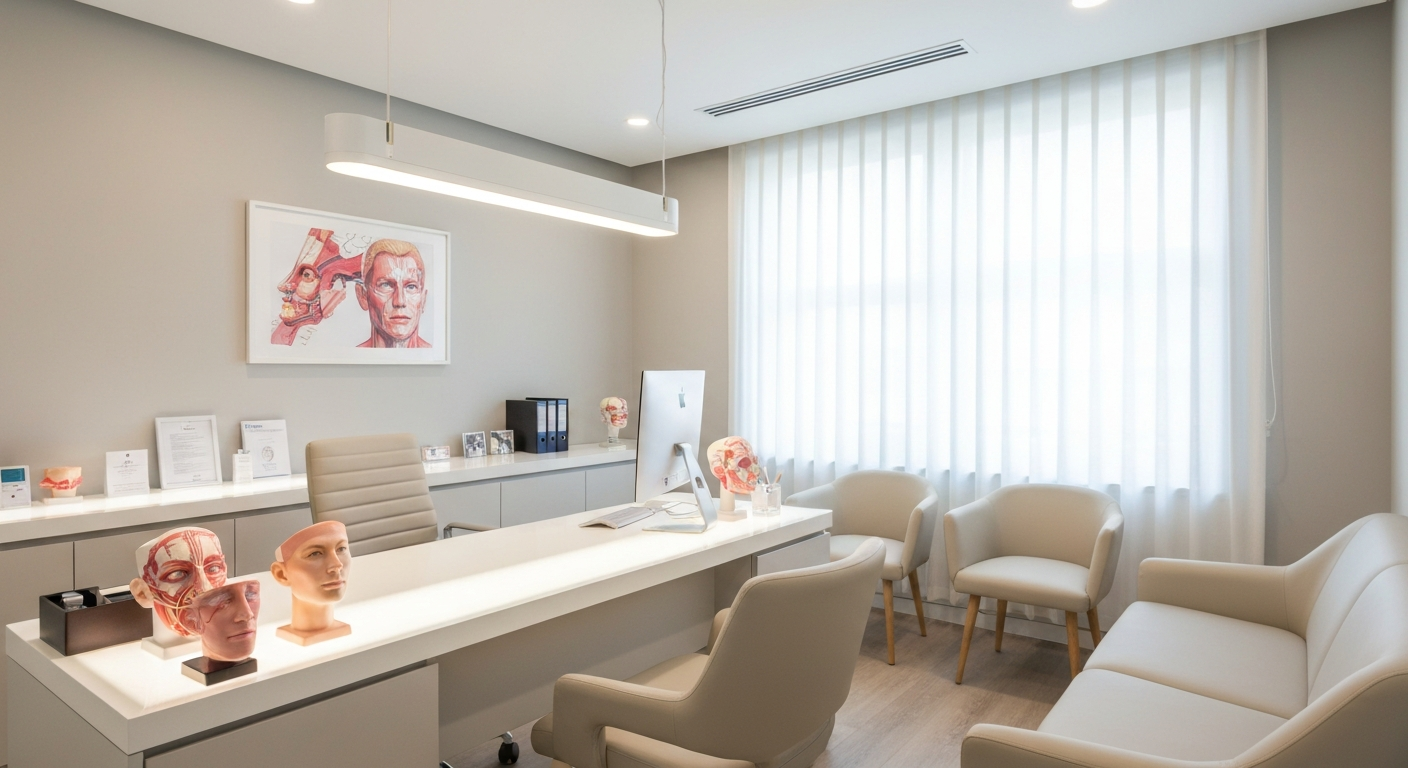
Facial aging is a complex, natural biological process. For many years, the traditional understanding of facial aging focused almost exclusively on the skin—specifically, the loss of elasticity and the development of wrinkles. However, modern medical science has revealed that visible aging is actually the result of structural changes occurring across multiple layers of the face.
When patients understand the underlying science of how and why the face ages, they are better equipped to make informed decisions regarding their care. This comprehensive guide explores the anatomical changes that occur over time and explains why modern facial rejuvenation focuses on restoring deeper structural support rather than simply tightening the skin.
Why We Age
The aging process is generally divided into two categories: intrinsic and extrinsic aging.
Intrinsic aging is the natural, chronological process dictated by our genetics. It is the biological clock that determines how our cells regenerate, how our tissues maintain their integrity, and how our bone structure naturally remodels over time.
Extrinsic aging refers to the environmental and lifestyle factors that accelerate the natural aging process. The most significant extrinsic factor is sun exposure (photoaging), which degrades collagen and elastin. Other major contributors include smoking, poor nutrition, chronic stress, inadequate sleep, and significant weight fluctuations. While we cannot control intrinsic aging, managing extrinsic factors can significantly influence how our face ages.
The Four Layers of Facial Aging
To truly understand facial aging, one must look beneath the surface. The face is composed of four distinct anatomical layers, and each layer ages independently yet interactively:
- Skin: The outermost layer, which loses elasticity, hydration, and thickness.
- Fat: The subcutaneous layer, which undergoes volume loss and redistribution.
- Muscles and Ligaments: The structural support system, which attenuates (weakens) and loses tension.
- Bone: The foundational framework, which gradually resorbs and changes shape.
Because aging affects all four layers, treating only the skin often produces limited improvement. Comprehensive facial rejuvenation requires an evaluation of the entire anatomical structure.
How the Skin Changes Over Time
The skin is the most visible indicator of aging. In our youth, the skin is thick, resilient, and rich in collagen and elastin—the proteins responsible for firmness and elasticity.
As we age, the production of collagen and elastin naturally decreases. The skin becomes thinner, drier, and less capable of snapping back into place. Extrinsic factors, particularly sun damage, accelerate this degradation, leading to pigmentation changes (sun spots), uneven texture, fine lines, and deeper wrinkles. While medical-grade skincare and laser treatments can significantly improve the quality and texture of the skin, they cannot correct the structural changes occurring beneath it.
Fat Volume Loss & Redistribution
Facial fat is not a single, continuous layer. It is compartmentalized into specific distinct fat pads throughout the face. In youth, these fat pads fit closely together like pieces of a puzzle, creating the smooth, continuous contours associated with a youthful appearance.
With age, two significant changes occur to facial fat:
- Volume Loss (Deflation): Certain fat compartments, particularly in the midface, temples, and around the eyes, gradually lose volume. This deflation leads to under-eye hollowing, flattened cheeks, and a tired appearance.
- Redistribution (Descent): Due to gravity and the weakening of the underlying support structures, other fat compartments shift downward. This redistribution contributes to the formation of prominent nasolabial folds (smile lines), marionette lines around the mouth, and the development of jowls along the jawline.
This combination of deflation in the upper face and accumulation in the lower face alters the natural heart-shape of a youthful face into a more bottom-heavy, rectangular shape.
How Bone Structure Changes
Bone remodeling is one of the least discussed but most critical components of facial aging. The facial skeleton provides the foundational framework that supports the overlying fat, muscle, and skin.
Over time, the facial bones undergo a process called resorption, where bone mass is gradually lost. This skeletal remodeling affects several key areas:
- The Eye Sockets (Orbits): The bony openings around the eyes gradually widen, contributing to a sunken appearance and exacerbating under-eye bags.
- The Cheeks (Maxilla): The cheekbones lose projection, which decreases the structural support for the midface fat pads, allowing them to descend.
- The Jawline (Mandible): The jawbone loses volume and length, particularly at the angle of the jaw and the chin. This loss of skeletal support contributes significantly to the formation of jowls and the loss of a defined neck angle.
Muscles & Ligaments
The facial muscles and retaining ligaments serve as the internal scaffolding of the face. The retaining ligaments act like anchors, attaching the skin and soft tissues to the underlying bone.
As we age, these ligaments attenuate (stretch and weaken). When the ligaments lose their tension, the soft tissues they support begin to descend. Furthermore, the Superficial Musculoaponeurotic System (SMAS)—a continuous layer of connective tissue and muscle that envelopes the face—also becomes lax. In the neck, the platysma muscle often separates and loses its tone, leading to vertical neck bands and a loss of contour beneath the chin.
Modern facial rejuvenation, such as the Deep Plane Facelift, focuses on releasing these attenuated ligaments and repositioning the SMAS layer to restore natural anatomical support, rather than simply pulling the overlying skin.
Why Every Person Ages Differently
Facial aging is a highly individualized process. No two people age exactly the same way, which is why there is no "one-size-fits-all" approach to facial rejuvenation. Factors that influence individual aging include:
- Genetics and Ethnicity: Genetic background strongly influences skin thickness, bone density, and how the face ages. For example, individuals with thicker skin and stronger bone structure may develop deeper folds but experience less fine wrinkling compared to those with thinner skin.
- Weight Fluctuations: Significant weight loss can accelerate the appearance of facial aging by depleting the supportive fat compartments.
- Lifestyle: Sun exposure, smoking, and overall health play a major role in the rate of extrinsic aging.
Because of these variables, treatment recommendations must always be customized to the individual's unique anatomy and goals.
Surgical vs. Non-Surgical Rejuvenation
Understanding the science of aging helps clarify why different treatments are recommended for different concerns.
Non-Surgical Rejuvenation: Treatments such as neuromodulators, dermal fillers, and laser therapies are excellent for addressing the superficial layers of aging. They can smooth fine lines, restore lost volume in specific areas, and improve skin texture and tone. However, they cannot lift descended tissue or remove excess skin.
Surgical Rejuvenation: Procedures like a Deep Plane Facelift, Neck Lift, or Blepharoplasty (eyelid surgery) are designed to address the deeper structural changes. Surgery repositions descended fat pads, tightens lax muscles and ligaments, and removes excess, inelastic skin. For many patients, the most comprehensive results are achieved by combining surgical repositioning with non-surgical treatments to improve skin quality.
The appropriate approach depends entirely on your anatomy, the degree of aging, and your personal goals, as determined during a thorough physician evaluation.
Lifestyle Factors That Influence Aging
While we cannot stop the biological clock, adopting healthy lifestyle habits can significantly influence how our face ages and improve the longevity of any rejuvenation treatments. Key factors include:
- Sun Protection: Daily use of broad-spectrum sunscreen is the most effective way to prevent premature photoaging.
- Smoking Cessation: Smoking constricts blood vessels, depriving the skin of oxygen and nutrients, and rapidly accelerates the breakdown of collagen.
- Nutrition and Hydration: A balanced diet rich in antioxidants and adequate water intake supports overall cellular health.
- Stress Management and Sleep: Chronic stress and lack of sleep elevate cortisol levels, which can negatively impact skin health and accelerate aging.
Maintaining a healthy lifestyle is a critical component of any long-term facial rejuvenation plan.
Common Myths About Facial Aging
Let's address a few common misconceptions:
- "Wrinkles are only caused by age." While age is a factor, sun exposure and repetitive muscle movement are primary contributors to wrinkle formation.
- "A facelift stops aging." Surgery resets the clock by restoring youthful contours, but the biological aging process continues.
- "Fillers can replace surgery for everyone." Fillers are excellent for restoring volume, but using them to attempt to "lift" descended tissue often results in an unnatural, overfilled appearance.
- "Skin tightening treats every aging concern." Skin tightening devices address skin laxity but cannot correct underlying muscle descent or bone resorption.
- "Everyone ages the same." Aging is highly individualized based on genetics, lifestyle, and anatomy.
The Importance of a Personalized Evaluation
Because facial aging involves complex changes across multiple anatomical layers, it cannot be accurately evaluated through photographs alone. A comprehensive, in-person consultation with a qualified facial plastic surgeon is essential.
During this evaluation, the surgeon will assess your bone structure, skin elasticity, volume distribution, and underlying muscle tone. They will review your medical history, discuss your specific goals, and engage in shared decision-making to develop an evidence-based, individualized treatment plan.
Frequently Asked Questions
Why does my face seem to age faster than others?
The rate of facial aging is influenced by a combination of genetics, bone structure, skin thickness, and lifestyle factors such as sun exposure and smoking. Individuals with thinner skin or less prominent bone structure may notice signs of aging earlier.
Can lifestyle changes slow facial aging?
Yes. Protecting your skin from the sun, avoiding smoking, maintaining a stable weight, and adopting a healthy diet can significantly reduce extrinsic aging and preserve your skin's quality.
Why do jowls develop?
Jowls form due to a combination of factors: the descent of midface fat pads, the weakening of the retaining ligaments along the jawline, and the resorption of the jawbone, all of which cause soft tissue to gather along the lower jaw.
What causes neck bands?
Vertical neck bands are typically caused by the separation and laxity of the platysma muscle, a thin sheet of muscle that spans the front of the neck. This is often addressed during a Neck Lift.
When should I consider seeing a facial plastic surgeon?
You should consider a consultation when you notice structural changes—such as significant volume loss, descending tissue, or pronounced skin laxity—that non-surgical treatments can no longer adequately address, or whenever you want an expert evaluation of your facial aging concerns.
How do I know whether surgery or non-surgical treatment is appropriate?
The most appropriate treatment is determined during a comprehensive consultation. Generally, non-surgical options are best for superficial skin concerns and mild volume loss, while surgery is required to correct deeper structural descent and remove excess skin.
Does everyone lose facial volume?
Yes, fat atrophy (volume loss) and bone resorption are universal components of the aging process, though the degree and specific areas affected vary from person to person.
Can facial aging be completely prevented?
No. Intrinsic aging is a natural biological process that cannot be stopped. However, modern medical interventions and healthy lifestyle choices can effectively manage and rejuvenate the visible signs of aging.
Patient Education Resources
We are committed to providing you with the resources necessary to make informed decisions. We encourage you to explore the following areas of our website:
- Deep Plane Facelift
- Neck Lift
- Blepharoplasty
- Chin & Jawline Enhancement
- Rhinoplasty
- Regenerative Medicine
- Recovery Guides
- Medical Glossary
- Patient Forms
- Blog
- Financing
- Areas Served
Final Thoughts
Understanding the science of facial aging is the first step toward making informed, confident decisions about your care. By recognizing that aging affects the skin, fat, muscle, and bone, you can better understand why comprehensive, individualized treatment plans are essential for achieving natural, long-lasting rejuvenation.
If you are considering facial rejuvenation, we invite you to contact our office to schedule a comprehensive evaluation. Our team is dedicated to providing evidence-based care, transparent education, and compassionate support throughout your journey.
Schedule Your Consultation in Metro Detroit
Take the first step towards feeling and looking your best. Contact Dr. Hassan Nasser's office today.
Book an AppointmentRelated Articles
Everything You Need to Know About Thyroid Nodules: Symptoms, Diagnosis, and Treatment
Discover comprehensive, evidence-based information about thyroid nodules, including common symptoms, how they are evaluated with ultrasound and biopsy, and when treatment or surgery is recommended.
How to Choose the Right Facial Plastic Surgeon: 15 Questions Every Patient Should Ask
Choosing a facial plastic surgeon is a significant decision. Learn the 15 essential questions every patient should ask during their consultation to ensure safety, expertise, and natural results.

Mohs Surgery vs. Mohs Reconstruction: Understanding the Difference and Why It Matters
Understand what happens before, during, and after Mohs surgery, and why facial reconstructive surgery is often a critical part of the skin cancer treatment process.