
Eyelid Rejuvenation
Blepharoplasty
Blepharoplasty, commonly known as eyelid surgery, is a precise surgical procedure designed to address excess skin, muscle laxity, and fat herniation around the eyes. Whether performed on the upper eyelids, lower eyelids, or both, this procedure aims to restore a rested, refreshed appearance and, in some cases, improve peripheral vision obstructed by drooping skin.
The anatomy of the eyelid is incredibly delicate and unique, requiring a surgeon with a profound understanding of facial structure. Serving patients from Detroit, Troy, and across Metro Detroit, Dr. Hassan Nasser provides specialized eyelid surgery tailored to each patient's anatomy. On this page, you will learn how structural changes around the eyes occur, how blepharoplasty addresses these concerns, and what to expect throughout the consultation and recovery process.
What is Blepharoplasty?
The eyes are often the first feature to show signs of aging. The skin of the eyelids is the thinnest on the body, making it particularly susceptible to the loss of elasticity, sun damage, and gravity.
Upper Eyelids: Over time, the skin of the upper eyelids can stretch and fold, creating a "hooded" appearance. This excess skin can rest on the eyelashes, causing a sensation of heaviness and, in severe cases, obstructing the upper or peripheral field of vision.
Lower Eyelids: The lower eyelids are supported by a thin membrane called the orbital septum, which holds the protective fat pads around the eye in place. As we age, this membrane weakens, allowing the fat pads to bulge forward. This herniation creates the appearance of under-eye "bags" or puffiness, often accompanied by redundant skin and deepening of the tear troughs.
Eyelid anatomy: skin, orbital fat pads, septum, and typical incision placements
Who is a Good Candidate?
Candidates for eyelid surgery are typically individuals seeking to address functional or cosmetic concerns around the eyes. A good candidate may present with:
- Heavy Upper EyelidsExcess, drooping skin that obscures the natural eyelid crease or rests on the eyelashes.
- Visual ObstructionSkin laxity severe enough to interfere with peripheral or superior vision.
- Puffy Lower EyelidsProminent under-eye bags caused by fat herniation, often causing a persistently tired appearance.
- Excess Lower Eyelid SkinCrepiness, fine wrinkling, or redundant skin below the eyes.
Ideal candidates are in good overall health, maintain a healthy lifestyle, do not have serious ophthalmological conditions, and possess realistic expectations regarding the outcomes of surgery. Treatment planning is always individualized to address your specific anatomical needs.
Common Concerns Patients Have
Many patients seek consultation because they feel their appearance no longer reflects their internal energy level. Common statements include looking persistently tired, appearing older than they feel, or experiencing difficulty applying eye makeup due to skin folds.
In some cases, genetic predispositions cause under-eye bags to appear at a relatively young age, independent of the natural aging process. During your consultation, Dr. Nasser will evaluate the underlying causes of your concerns to determine the most appropriate surgical or non-surgical intervention.
Your Consultation
A thorough consultation is critical for achieving safe, natural-looking results. During your visit, Dr. Nasser will:
- Review your comprehensive medical history, including any previous eye conditions (such as dry eye syndrome, glaucoma, or retinal issues) and prior facial surgeries.
- Perform a detailed facial and periocular assessment, evaluating skin quality, muscle tone, fat distribution, and brow position.
- Take standardized clinical photography to aid in precise surgical planning.
- Discuss your specific aesthetic or functional goals.
- Engage in shared decision-making, explaining the risks, benefits, and expected outcomes of the proposed procedure.
- Encourage you to ask questions to ensure you are fully informed and comfortable with the treatment plan.
The Surgical Approach
Blepharoplasty is typically performed on an outpatient basis. The specific techniques utilized depend on whether the upper, lower, or both eyelids are being addressed.
Upper Eyelid Surgery: An incision is meticulously designed to fall within the natural crease of the upper eyelid. Through this hidden incision, excess skin and, if necessary, a small amount of muscle and fat are removed or repositioned. The incision is then closed with fine sutures, resulting in a scar that is largely imperceptible when the eye is open.
Lower Eyelid Surgery: The approach to the lower eyelid depends on the patient's specific anatomy. If the primary concern is bulging fat without significant excess skin, a transconjunctival approach may be used, placing the incision completely hidden on the inside of the eyelid. If excess skin must also be removed, a subciliary incision is made just beneath the lower lash line. Fat is then carefully removed, repositioned, or sculpted to smooth the transition between the eyelid and the cheek, and any redundant skin is tailored.
Dr. Nasser emphasizes tissue preservation, avoiding the aggressive removal of fat that can lead to a hollowed, aged appearance over time.
Recovery and Healing
Recovery from eyelid surgery requires adherence to postoperative instructions to ensure optimal healing. While every patient heals differently, a typical recovery timeline includes:
- 1The First Few DaysSwelling and bruising around the eyes are normal and typically peak within the first 48 hours. Patients are instructed to keep their head elevated and apply cold compresses frequently. Mild discomfort, a sensation of tightness, or temporary dry/watery eyes may occur.
- 2One WeekSutures are generally removed between 5 and 7 days post-surgery. Much of the initial bruising begins to fade, though some discoloration may persist. Patients should continue to limit screen time and reading to avoid eye strain.
- 3Two to Three WeeksThe majority of visible swelling subsides, and patients often feel comfortable returning to work and social activities. Contact lenses and makeup can typically be resumed as cleared by Dr. Nasser. Strenuous exercise must still be avoided.
- 4Long-Term HealingSubtle swelling continues to resolve over several months. Scars will gradually soften and fade, blending into the natural contours of the eyelids.
Expected Results
The goal of blepharoplasty is to achieve a brighter, more rested appearance while preserving the natural shape and expression of your eyes. Patients typically enjoy a reduction in hooding, elimination of under-eye puffiness, and, when applicable, an improved field of vision.
While eyelid surgery provides long-lasting rejuvenation, it does not halt the aging process. Maintaining a healthy lifestyle, utilizing medical-grade skincare, and practicing strict sun protection will help preserve your results. Expectation management is a key component of the consultation process, ensuring you understand the realistic, natural improvements achievable through surgery.
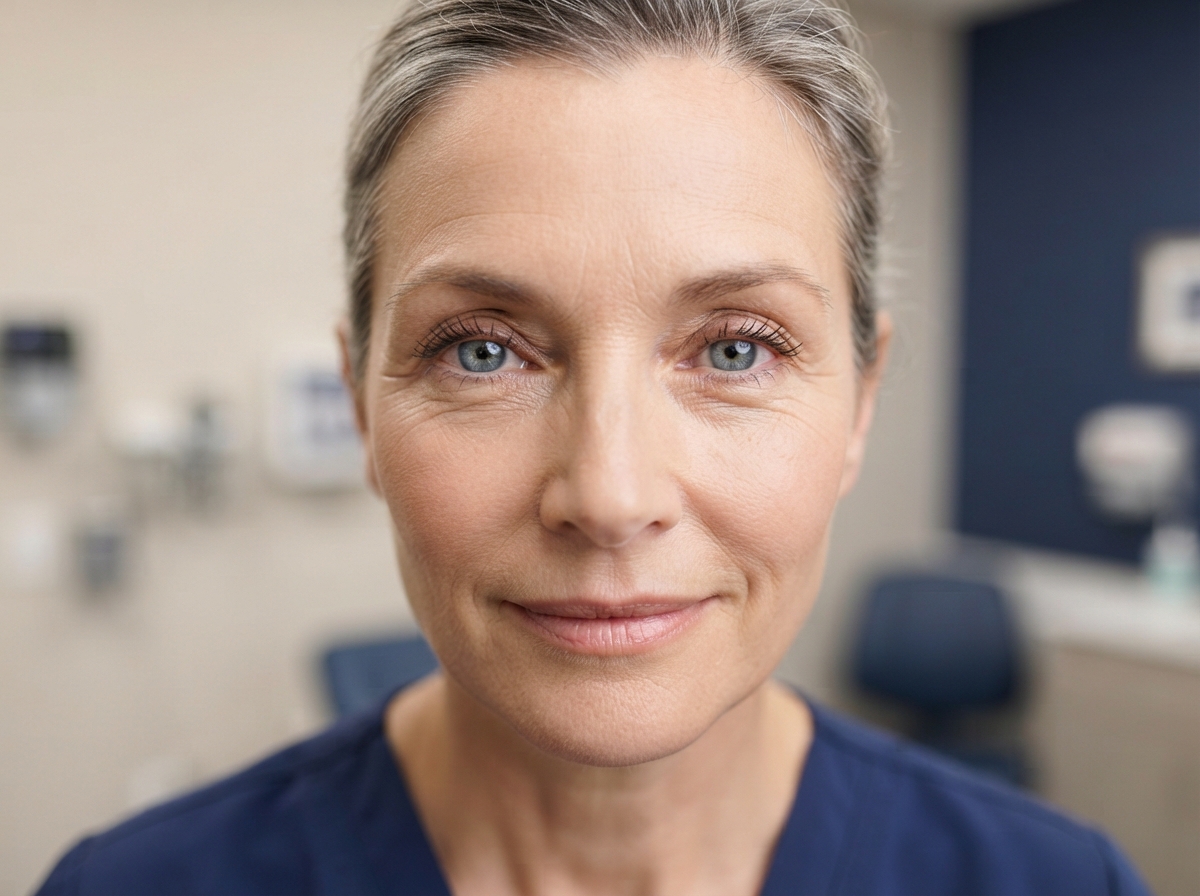
Blepharoplasty targets the delicate periocular area to restore a refreshed, rested appearance
Facial Harmony & Eyelid Rejuvenation
Eyelid surgery should never be planned in isolation. The eyes exist in harmony with the surrounding facial features, including the brows, forehead, cheeks, and overall skin quality.
For example, heavy upper eyelids may actually be the result of a descending brow (brow ptosis). In such cases, performing only an upper blepharoplasty without addressing the brow position may yield suboptimal results or create an unnatural appearance. Similarly, lower eyelid puffiness must be evaluated in the context of midface volume loss. Dr. Nasser’s comprehensive facial analysis ensures that the surgical plan addresses the true anatomical source of your concerns, preserving natural facial proportions and preventing an over-operated look.
Blepharoplasty vs. Non-Surgical Options
While blepharoplasty is the definitive treatment for excess skin and fat herniation, non-surgical options may be appropriate for certain patients with early or mild signs of aging.
Neuromodulators (like Botox) can subtly lift the brow and soften crow's feet. Dermal fillers can be strategically placed in the tear troughs to camouflage mild lower eyelid puffiness or restore volume to the cheeks. Laser resurfacing and medical-grade skincare can significantly improve skin texture, fine lines, and pigmentation around the eyes.
During your consultation, Dr. Nasser will explain whether your goals are best achieved through surgical intervention, non-surgical treatments, or a combination of both, providing individualized recommendations based on your unique anatomy.
Why Patients Choose Dr. Hassan Nasser
The periocular region demands extreme precision and a refined aesthetic eye. Patients trust Dr. Hassan Nasser for eyelid surgery because of his:
- Specialized Expertise: Extensive training in Facial Plastic Surgery, providing a deep understanding of the intricate anatomy and function of the eyelids and surrounding structures.
- Detailed Facial Analysis: A comprehensive approach that evaluates the eyes within the context of the entire face to ensure harmonious, natural results.
- Tissue Preservation Philosophy: Utilizing modern techniques that focus on repositioning and preserving tissue rather than aggressive removal, avoiding a hollowed appearance.
- Patient-Centered Care: A commitment to thorough patient education, shared decision-making, and compassionate communication throughout the surgical journey.
Educational Disclaimer
This content is provided by the practice of Dr. Hassan Nasser for general educational purposes only. It is not a substitute for professional medical advice, diagnosis, or treatment. Always seek the advice of your physician or other qualified health provider with any questions you may have regarding a medical condition. Individual results and recovery vary.
Preparing For Your Consultation
To ensure a comprehensive evaluation of your eyelid concerns, please prepare the following for your initial visit:
- Medical History: Details of past surgeries, medical conditions, and any history of high blood pressure or bleeding disorders.
- Eye Health: History of dry eyes, glaucoma, retinal issues, recent vision changes, or previous eye surgeries (including LASIK or cataract surgery).
- Medication List: All current prescriptions, over-the-counter medications, and supplements (especially blood thinners).
- Questions: A written list of questions regarding the procedure, recovery planning, and surgical goals.
Frequently Asked Questions
Educational answers to common questions regarding Blepharoplasty surgery.
Begin Your Journey
Schedule a comprehensive consultation with Dr. Nasser to discuss your eyelid rejuvenation goals.