
Everything You Need to Know About Thyroid Nodules: Symptoms, Diagnosis, and Treatment
Receiving news that you have a thyroid nodule can be a source of significant anxiety. Many patients immediately associate the word "nodule" with cancer. However, the vast majority of thyroid nodules are completely benign (non-cancerous). In modern medicine, the discovery of a thyroid nodule is often the beginning of a straightforward, step-by-step evaluation process designed to gather information and ensure your long-term health.
The purpose of this comprehensive guide is to provide you with evidence-based, patient-centered information. We will explore what thyroid nodules are, how they are diagnosed, what your ultrasound results mean, and when treatment—such as surgery—may be appropriate. Understanding this process is the first step toward informed, shared decision-making regarding your care.
What Is the Thyroid Gland?
Before discussing nodules, it is helpful to understand the thyroid gland itself. The thyroid is a small, butterfly-shaped endocrine gland located in the lower front of your neck, resting just below the Adam's apple and wrapping around the trachea (windpipe).
Despite its small size, the thyroid plays a monumental role in your overall health. Its primary function is the production of thyroid hormones (primarily T3 and T4), which are secreted directly into the bloodstream. These hormones regulate your body's metabolism—the process by which your body converts food into energy. Thyroid hormones influence nearly every organ system, controlling your heart rate, body temperature, energy levels, digestion, and even mood. In children, they are also critical for normal growth and brain development.
What Are Thyroid Nodules?
A thyroid nodule is simply an abnormal growth of thyroid cells that forms a distinct lump within the thyroid gland. While the rest of the gland may remain normal, this localized cluster of cells grows differently.
Thyroid nodules can present in various ways:
- Single vs. Multiple: A patient may have a single isolated nodule (a solitary nodule) or multiple nodules scattered throughout the gland (often referred to as a multinodular goiter).
- Solid vs. Cystic: Nodules can be entirely solid tissue, entirely fluid-filled (cystic), or a combination of both (complex or mixed nodules). Purely fluid-filled cysts are almost always benign.
The most important medical fact to remember is that the majority of thyroid nodules are benign. Common causes include overgrowth of normal thyroid tissue (adenoma), fluid-filled cysts, chronic inflammation (such as Hashimoto's thyroiditis), and iodine deficiency (though this is rare in the United States).
How Common Are Thyroid Nodules?
If you have been diagnosed with a thyroid nodule, you are far from alone. Thyroid nodules are common in the general population. Many adults will develop at least one thyroid nodule by the time they reach 60 years of age.
The apparent incidence of thyroid nodules has increased significantly over the past few decades. This is not necessarily because more people are developing them, but because modern imaging technology—such as high-resolution ultrasound, CT scans, and MRI—has become so advanced and widely used. Many nodules are discovered incidentally when a patient is undergoing imaging of the neck for an entirely different medical reason.
Common Symptoms
Because the majority of thyroid nodules are small and benign, most patients have absolutely no symptoms. As mentioned, they are frequently discovered incidentally during routine physical exams or unrelated imaging studies.
However, when symptoms do occur, they are typically related to the physical size of the nodule pressing against surrounding structures in the neck. These compressive symptoms may include:
- A Visible Neck Lump: You or your physician may notice a swelling at the base of your neck.
- Difficulty Swallowing (Dysphagia): A sensation that food or pills are getting "stuck" in your throat.
- Hoarseness or Voice Changes: If a nodule presses against or involves the recurrent laryngeal nerve (which controls the vocal cords), it may alter your voice.
- Neck Pressure: A general feeling of fullness, tightness, or discomfort in the front of the neck.
- Difficulty Breathing: In rare cases, a very large nodule or goiter may press against the trachea, causing shortness of breath, particularly when lying flat.
In a small percentage of cases, a nodule may autonomously produce excess thyroid hormone, leading to symptoms of hyperthyroidism, such as unexplained weight loss, rapid heart rate, anxiety, and heat intolerance.
How Thyroid Nodules Are Diagnosed
The evaluation of a thyroid nodule is a systematic process designed to determine whether the nodule is benign, whether it is affecting thyroid function, and whether it requires treatment. This process typically involves several steps:
- Medical History and Physical Examination: Your physician will ask about your symptoms, family history of thyroid disease or cancer, and any history of radiation exposure to the head or neck. They will carefully palpate (feel) your neck to assess the size, firmness, and mobility of the thyroid gland and check for enlarged lymph nodes.
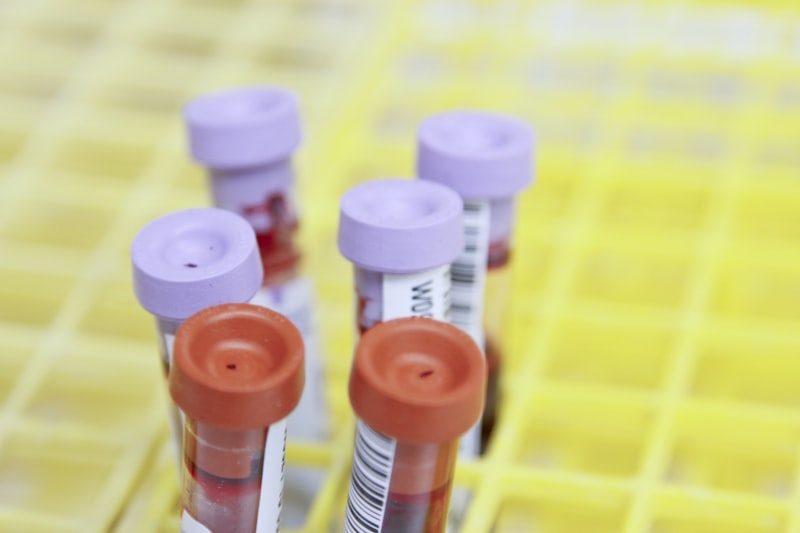
- Laboratory Testing (TSH): A blood test to measure Thyroid Stimulating Hormone (TSH) is usually the first laboratory step. This determines if your thyroid is functioning normally, overactive (hyperthyroidism), or underactive (hypothyroidism).
- Thyroid Ultrasound: This is the most crucial imaging test for evaluating a thyroid nodule. It uses sound waves to create a highly detailed picture of the thyroid gland and the nodule.
- Fine Needle Aspiration (FNA) Biopsy: If the ultrasound reveals certain suspicious features, or if the nodule is large, a biopsy may be recommended to analyze the cells microscopically.
Understanding Thyroid Ultrasound Results
A thyroid ultrasound is a painless, non-invasive test that provides a wealth of information. When a radiologist or surgeon reviews your ultrasound, they are looking at specific characteristics to stratify the risk of the nodule. Many medical centers use a scoring system called TI-RADS (Thyroid Imaging Reporting and Data System) to standardize this evaluation.
Key features evaluated during an ultrasound include:
- Composition: Is the nodule solid, cystic (fluid-filled), or mixed (spongiform)? Solid nodules carry a slightly higher risk than purely cystic ones.
- Echogenicity: This refers to how dark or light the nodule appears compared to surrounding normal tissue. Very dark (hypoechoic) nodules are monitored more closely.
- Shape: A nodule that is "taller-than-wide" (growing more front-to-back than side-to-side) is considered a suspicious feature.
- Margins: Smooth, well-defined borders are reassuring. Irregular, jagged, or poorly defined margins may suggest that the nodule is infiltrating surrounding tissue.
- Calcifications: Large, coarse calcifications are often benign, but tiny, sand-like flecks of calcium (microcalcifications) can be a sign of papillary thyroid cancer.
- Blood Flow: Increased blood flow within the center of the nodule can sometimes be a marker for suspicion.
Benign vs Suspicious Nodules
Based on the ultrasound features, your physician will categorize the nodule. A nodule with smooth borders, a cystic composition, and no microcalcifications is highly likely to be benign and may only require periodic monitoring. Conversely, a solid, hypoechoic nodule with irregular margins and microcalcifications is considered suspicious.
It is important to understand that "suspicious" on an ultrasound does not mean "cancer." It simply means that the nodule possesses enough atypical features to warrant further investigation, typically in the form of a biopsy.
When Is a Biopsy Recommended?
Not every thyroid nodule requires a biopsy. The decision to perform a Fine Needle Aspiration (FNA) biopsy is based on a combination of the nodule's size and its ultrasound features, as recommended by guidelines from organizations like the American Thyroid Association (ATA).
During an FNA, the physician uses ultrasound guidance to insert a very thin needle (often thinner than a needle used to draw blood) into the nodule to extract a small sample of cells. The procedure is typically performed in the office, takes only a few minutes, and requires only local anesthesia. The cells are then sent to a pathologist for microscopic examination.
The pathology results are usually categorized using the Bethesda System, which classifies the cells into categories ranging from definitively benign, to indeterminate, to definitively malignant. These results guide the next steps in your care.
When May Surgery Be Recommended?
While many nodules are safely managed with "active surveillance" (regular ultrasound monitoring), surgery—such as a partial or total thyroidectomy—may be recommended in specific situations:
- Suspicious or Malignant Biopsy: If the FNA results indicate cancer or a high suspicion of cancer, surgery is typically the primary treatment.
- Indeterminate Biopsy: If the cells look abnormal but cannot be definitively diagnosed as benign or malignant (often despite advanced molecular testing), surgery may be recommended to obtain a final diagnosis.
- Compressive Symptoms: Even if a nodule is definitively benign, surgery may be necessary if it grows large enough to cause difficulty swallowing, breathing, or noticeable neck pressure.
- Significant Growth: A benign nodule that demonstrates significant, continuous growth over time may be removed.
- Hyperthyroidism: A "toxic" nodule that produces excess thyroid hormone and does not respond to medical management or radioactive iodine may require surgical removal.
The decision to proceed with surgery is always individualized, taking into account the specific characteristics of the nodule, your overall health, and your personal preferences.
Your Surgical Consultation
If surgery is being considered, a comprehensive consultation with an experienced Head & Neck Surgeon is essential. During this visit, the surgeon will review your medical history, carefully examine your neck, and personally review your ultrasound images and pathology reports.
This consultation is a collaborative process. The surgeon will discuss the rationale for surgery, the proposed extent of the operation (removing half of the thyroid versus the entire gland), the expected benefits, and the potential risks. Shared decision-making is paramount; you should feel encouraged to ask questions and fully understand all alternative treatment options before proceeding.
Recovery After Thyroid Surgery
Understanding the recovery process helps alleviate anxiety and allows you to plan appropriately. While recovery varies from patient to patient, there are general expectations following thyroid surgery.
Most thyroid surgeries are performed under general anesthesia. Depending on the extent of the surgery and your overall health, you may go home the same day or stay overnight in the hospital for observation. The incision is typically placed in a natural skin crease in the lower neck to minimize the visibility of the resulting scar.
In the days following surgery, it is normal to experience a mild sore throat, discomfort when swallowing, and some neck stiffness. These symptoms usually resolve quickly. Voice changes, such as hoarseness or vocal fatigue, can occur due to irritation of the nerves near the thyroid, but these are typically temporary. Your surgeon will provide specific instructions regarding incision care, bathing, and activity restrictions. Most patients are able to return to non-strenuous work and normal daily activities within one to two weeks.
Follow-up appointments will be scheduled to monitor your healing, review the final surgical pathology, and check your thyroid hormone levels to determine if daily thyroid hormone replacement medication is necessary.
Common Myths About Thyroid Nodules
Misinformation can cause unnecessary worry. It is important to address common myths with evidence-based facts:
- "Every thyroid nodule is cancer." This is false. The vast majority of thyroid nodules (over 90%) are benign.
- "Every thyroid nodule requires surgery." False. Most nodules can be safely monitored with periodic ultrasounds without ever needing surgical intervention.
- "A biopsy can spread cancer." There is no credible medical evidence that a Fine Needle Aspiration biopsy causes thyroid cancer to spread. It is a safe and standard diagnostic procedure.
- "Small nodules never need to be monitored." While small nodules are often low-risk, they should still be evaluated by a physician to determine if baseline or follow-up imaging is appropriate.
When Should You See a Head & Neck Surgeon?
While primary care physicians and endocrinologists often initially evaluate thyroid nodules, a referral to a Head & Neck Surgeon is appropriate in several situations. You should seek specialized surgical evaluation if your biopsy results are abnormal, suspicious, or indeterminate. A surgical consultation is also recommended if you have a benign nodule that is growing rapidly, causing difficulty swallowing or breathing, or creating a visible cosmetic concern.
Multidisciplinary care—where your primary physician, endocrinologist, and surgeon communicate and collaborate—often provides the highest standard of treatment for complex thyroid conditions.
Frequently Asked Questions
Are thyroid nodules common?
Yes, they are common. Thyroid nodules become more prevalent with age, and many are discovered incidentally during routine imaging. The majority of thyroid nodules are benign, but proper evaluation is important to determine which nodules require further investigation or treatment.
Are thyroid nodules usually cancer?
No. The vast majority of thyroid nodules—often cited as greater than 90%—are benign (non-cancerous). Even when a nodule is found to be cancerous, most thyroid cancers are highly treatable with excellent long-term prognoses.
Does every thyroid nodule require surgery?
No. Most benign thyroid nodules that do not cause symptoms can be safely managed with active surveillance, which involves periodic ultrasound monitoring. Surgery is typically reserved for suspicious nodules, confirmed cancers, or large nodules causing compressive symptoms.
How is a thyroid biopsy performed?
A Fine Needle Aspiration (FNA) biopsy is a brief, in-office procedure. Using ultrasound guidance for precision, the physician inserts a very thin needle into the nodule to extract a small sample of cells. Local anesthesia is often used, and most patients report only minimal discomfort.
Will surgery affect my voice?
The nerves that control the vocal cords run very close to the thyroid gland. While temporary hoarseness or vocal fatigue can occur after surgery due to irritation, permanent voice changes are rare when the surgery is performed by an experienced Head & Neck Surgeon who utilizes meticulous technique and intraoperative nerve monitoring.
How long is recovery?
Recovery varies by patient, but most individuals can return to non-strenuous work and normal daily activities within one to two weeks following thyroid surgery. Strenuous exercise and heavy lifting should be avoided for a few weeks to allow the incision to heal properly.
Will I need thyroid hormone replacement?
If your entire thyroid gland is removed (total thyroidectomy), you will need to take a daily thyroid hormone replacement pill for the rest of your life. If only half of the gland is removed (thyroid lobectomy), your remaining thyroid tissue may produce enough hormone, though some patients still require a daily supplement.
How often should nodules be monitored?
The frequency of monitoring depends on the nodule's size, ultrasound features, and biopsy results. Your physician may recommend a follow-up ultrasound in 6 to 12 months, and then less frequently if the nodule remains stable.
Patient Education Resources
We believe that informed patients are empowered patients. If you are navigating a thyroid nodule diagnosis, we encourage you to explore our comprehensive educational resources:
- Thyroid & Parathyroid Surgery
- Head & Neck Surgery
- Patient Resources & Recovery Guides
- Medical Glossary
- Patient Forms
- Educational Blog
- Areas Served
Final Thoughts
Discovering a thyroid nodule can be unnerving, but it is important to remember that you are not alone, and the vast majority of these nodules are benign. A systematic, evidence-based evaluation process ensures that you receive an accurate diagnosis and the most appropriate, individualized care plan.
Whether your nodule requires simple monitoring or specialized surgical intervention, understanding your condition is the most important step in your healthcare journey. If you have been diagnosed with a thyroid nodule and require expert evaluation, we invite you to contact our office to schedule a comprehensive consultation with Dr. Hassan Nasser. Our team is dedicated to providing transparent education, compassionate support, and the highest standard of evidence-based medical care.
Schedule Your Consultation in Metro Detroit
Take the first step towards feeling and looking your best. Contact Dr. Hassan Nasser's office today.
Book an AppointmentRelated Articles

How to Choose the Right Facial Plastic Surgeon: 15 Questions Every Patient Should Ask
Choosing a facial plastic surgeon is a significant decision. Learn the 15 essential questions every patient should ask during their consultation to ensure safety, expertise, and natural results.

Mohs Surgery vs. Mohs Reconstruction: Understanding the Difference and Why It Matters
Understand what happens before, during, and after Mohs surgery, and why facial reconstructive surgery is often a critical part of the skin cancer treatment process.

Facelift, Neck Lift, or Both? Understanding Which Procedure May Be Right for You
Explore the differences between a facelift and a neck lift, how facial aging affects different anatomical layers, and why a comprehensive, individualized approach often yields the most natural-looking rejuvenation.